Why Dynamic Short Links Are Crucial for Your Business
Links look simple, but they quietly decide what works and what breaks. Dynamic short links give businesses flexibility, visibility, and control long after a link is shared.
The Problem With Links Nobody Thinks About
Most businesses treat links like plumbing.
You install them once. They work. You move on.
That mindset made sense when links only lived on websites. It doesn’t anymore.
Today, links are everywhere. Ads. Emails. Social posts. Bio links. PDFs. QR codes. Stickers on windows. Flyers on café tables. Once a link leaves your screen, it stops being easy to fix. And that’s where the problems start.
A campaign ends, but the link is still out there.
A page moves, but the link stays the same.
An offer changes, but the printed material doesn’t.
So people click and land on something outdated, broken, or irrelevant. You don’t notice. They don’t tell you. They just leave.
That’s the quiet cost of static links.
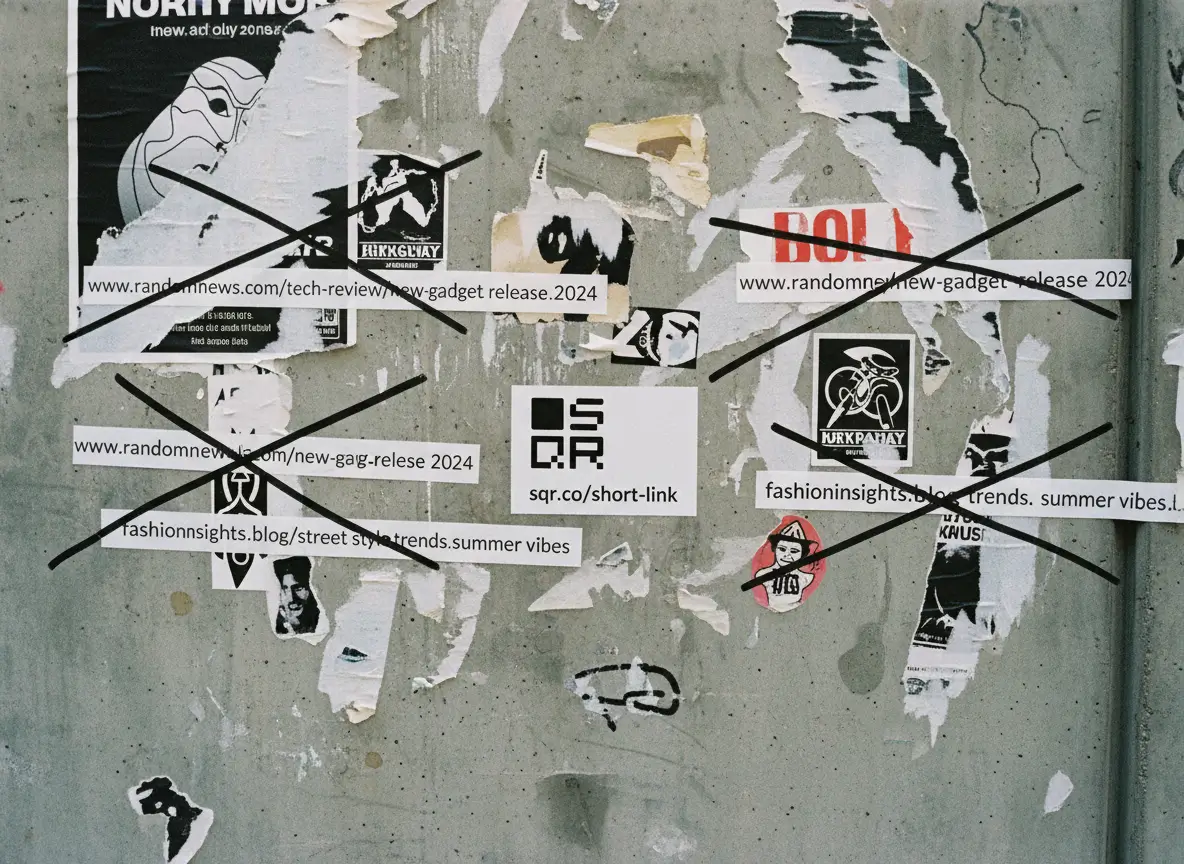
Another issue is visibility. With a normal link, you have no idea what happens after you share it. Did anyone click? From where? On what device? Did that ad actually work, or did people just scroll past it? Without feedback, you’re guessing. And guessing gets expensive fast.
Links also shape trust more than most people realize. A long, messy URL looks careless. A random short link looks disposable. When someone sees a link, they make a decision before they click. Is this legit? Is this worth my time? That decision happens in a split second, and the link itself plays a role.
The biggest mistake is assuming links are static objects. They aren’t. They’re living touchpoints between your business and the outside world. They age. They travel. They get copied, forwarded, printed, and scanned months after you created them.
Once a link is shared, you lose physical control. The only control you have left is what happens behind it.
That’s why the old “set it and forget it” approach doesn’t work anymore. Not if you run ads. Not if you print QR codes. Not if you send campaigns. Not if you care about what actually converts.
Modern businesses don’t just share links. They manage them.
Dynamic short links exist for one simple reason: things change. When your links can adapt instead of breaking, you stop losing traffic quietly. You stop reprinting. You stop guessing. And you start treating links like what they really are now: infrastructure that deserves attention.
Once you see that, you don’t look at links the same way again.
Static Links Lock You In. Dynamic Links Keep You Flexible
A static link is a one-way decision.
Once you share it, that’s it. The destination is locked. If anything changes, the link doesn’t care. It keeps pointing to the same place, even when that place no longer makes sense.
That’s fine if links only live in drafts and dashboards. But they don’t.
Links escape quickly. They end up in emails you can’t edit anymore. Ads that are still running. QR codes printed on menus, posters, packaging, business cards. Screenshots. Forwarded messages. Bookmarks. Weeks or months later, people are still clicking.
And when something changes, you’re stuck.
A product page gets updated.
A campaign ends.
An offer expires.
A landing page moves.
With a static link, your only option is damage control. You either live with it, or you replace everything that link ever touched. Reprint. Resend. Rebuild. Most businesses don’t do that. They just let it slide.
That’s how outdated links quietly pile up.
Dynamic short links work differently. They separate the link people see from where it actually goes. The visible link stays the same. The destination behind it can change whenever you need it to.
This sounds small until you’ve needed it.
You can fix a mistake without announcing it.
You can update an offer without reprinting anything.
You can redirect traffic when a page breaks.
You can reuse the same link across campaigns and still stay in control.
Once a link leaves the screen and hits the real world, flexibility matters more than perfection. You will not get everything right on the first try. No one does.
Dynamic links are forgiving. Static links aren’t.
There’s also a mental shift here. Static links force you to think in final versions. Dynamic links let you think in systems. You stop asking “is this the final page?” and start asking “where should this go right now?”
That’s a better question.
It’s especially important for anything physical. QR codes are the obvious example. Once they’re printed, they’re frozen in time. The only way they stay useful is if the link behind them can evolve.
The same applies to evergreen content, long-running ads, onboarding flows, and anything you don’t want to touch every week.
Static links assume nothing will change.
Dynamic links assume everything will.
In practice, only one of those assumptions holds up.
Flexibility isn’t a nice extra. It’s what keeps your links from becoming liabilities. When links can adapt instead of break, you waste less time fixing past decisions and spend more time moving forward.
You Can’t Improve What You Can’t See

Most link decisions are made in the dark.
A link gets shared. An email goes out. An ad runs. Then what? Usually nothing. Maybe traffic goes up. Maybe it doesn’t. You feel like something worked, but you can’t say why. Or if it worked at all.
That’s not strategy. That’s hope.
Without visibility, every decision becomes a guess. You don’t know which link people clicked. You don’t know when interest peaked. You don’t know whether traffic came from a phone on the street or a laptop at a desk. You just see the end result, if you see anything.
This is where tracking gets misunderstood.
Tracking isn’t about spying on people. It’s not about collecting personal details or watching individuals move around the internet. Good link tracking is boring in the best way. It answers simple questions so you can make better calls next time.
Did anyone click this?
Where were they roughly located?
What device did they use?
Which channel actually brought traffic?
That’s it.
Those signals tell you whether a link is doing its job. They show patterns. Not people.
Once you have that feedback, small improvements become obvious. You see that one link works better in emails than on social. Or that a QR code gets scanned mostly in the evening. Or that a campaign looked fine on paper but never really landed.
Without that data, you’d keep repeating the same mistakes.
The real value is speed. You don’t have to wait weeks to decide if something worked. You don’t need a full report or a complicated setup. A quick look at link activity is often enough to know whether to double down, adjust, or stop.
This also changes how you think about experiments. When links are measurable, trying something new feels safer. You can test a message, a placement, or an offer without committing long-term. If it doesn’t work, you learn and move on.
Static links give you silence.
Dynamic short links give you feedback.
And feedback is how businesses improve without guessing themselves into a corner.
Brand Trust Starts With What People See Before the Click

People judge links before they ever click them.
It happens fast. Faster than most businesses realize. A link shows up in an email, on a poster, under a QR code, or in a bio. In that moment, the reader makes a call. Is this legit? Is this safe? Is this worth my time?
The link itself answers those questions.
A long, messy URL looks careless. A generic short link looks temporary. It feels like something that could disappear tomorrow. That doesn’t inspire confidence, especially outside of a browser where context is thin.
Branded short links do the opposite. They signal intent. They tell people, “This was done on purpose.” The domain is familiar. The structure is clean. Nothing feels random.
That matters more than clever copy.
In emails, visible links are trust checkpoints. People are trained to scan for red flags. Unknown domains, strange strings, or mismatched links slow them down or stop them entirely. A branded short link lowers friction because it matches the sender. It feels consistent.
In QR codes, the effect is even stronger. When someone scans a code in the real world, they’re taking a small risk. They don’t know where it goes. Showing a readable, branded short link next to the code gives reassurance. It answers the unspoken question: “What am I about to open?”
Offline material has no second chance. A flyer, menu, poster, or sticker can’t explain itself. The link has to do the work. If it looks sketchy or forgettable, people hesitate. If it looks clear and intentional, they scan.
This isn’t about vanity. It’s about recognition.
When your links all look different, people don’t connect them to you. When they share a common domain, you build familiarity over time. The link becomes part of your brand surface, just like your logo or tone of voice.
There’s also a practical side. Branded links are easier to remember. Easier to type. Easier to spot when something looks wrong. That reduces errors and increases follow-through.
Random links feel disposable because they are.
Branded short links feel stable because they signal ownership.
Trust starts before the click. Once you accept that, the link stops being an afterthought and becomes part of how people experience your business.
One Link, Many Contexts
Most link setups get messy fast.
You start with one campaign. Then another. Then a mobile version. Then a QR code. Then a regional page. Suddenly you’re juggling five links for the same thing, all slightly different, all easy to mix up.
That’s not complexity you need. It’s friction you created.
Dynamic links solve this by flipping the model. Instead of creating a new link for every situation, you use one link that adapts based on context. Same link. Different outcomes. No chaos.
Someone clicks from a phone? Send them to the mobile-friendly version.
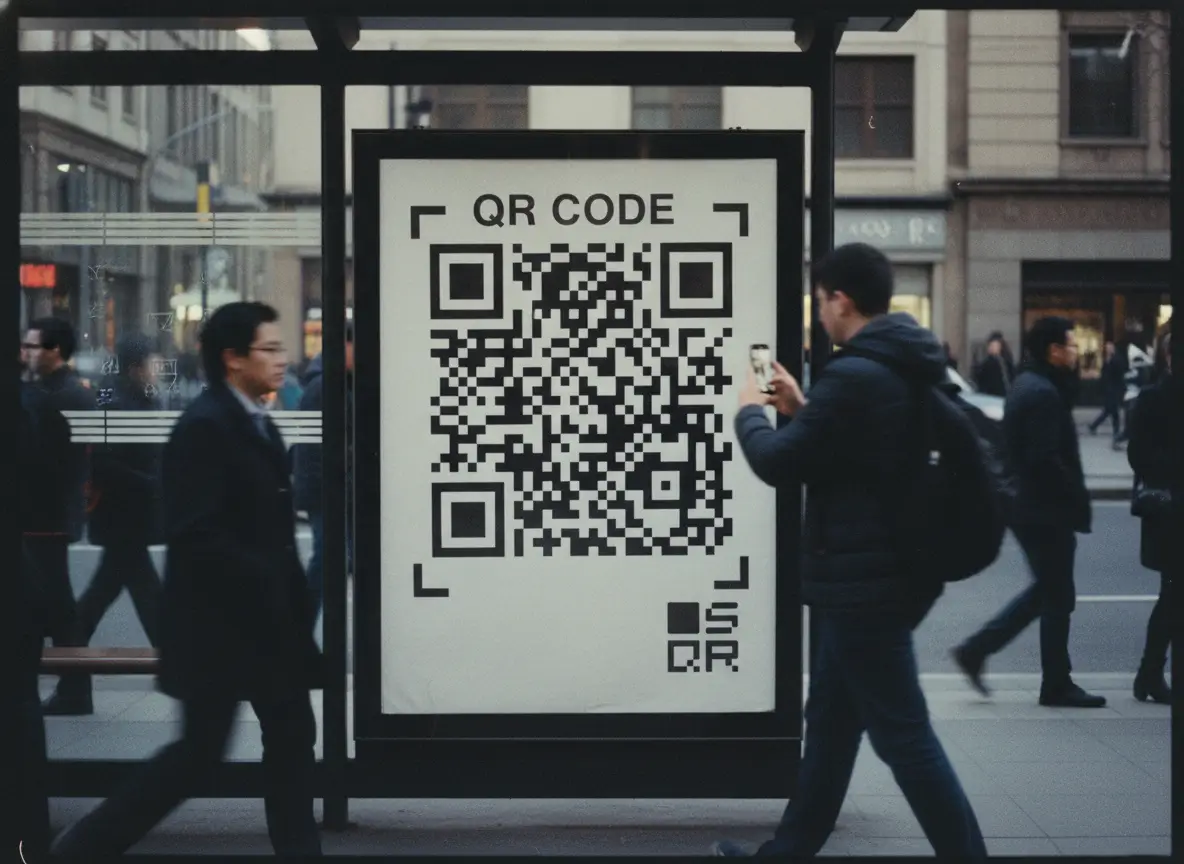
Someone scans a QR code in a store? A real estate sign with a QR code? Send them to the local page.
Someone clicks from an ad campaign? Send them to a tailored landing page.
To the user, it feels seamless. To you, it stays manageable.
The key here is restraint. Dynamic links aren’t about building clever logic trees or over-engineering redirects. They’re about reducing surface area. Fewer links to track. Fewer places to make mistakes. Fewer “which version did we use?” moments.
When every context gets its own link, errors are inevitable. The wrong link ends up in the wrong place. A campaign runs with last month’s URL. A QR code points to a desktop page that barely works on mobile. These aren’t big failures. They’re small leaks. And small leaks add up.
With one adaptable link, updates happen in one place. You don’t need to remember where a link lives or who shared it. You adjust the behavior once, and everything downstream follows.
This also makes teams calmer. Marketing, sales, support, and partners can all use the same link without worrying about breaking something. There’s less documentation. Less explanation. Less room for confusion.
Dynamic links don’t remove control. They centralize it.
That’s the difference between managing links and managing outcomes. When the same link works across devices, locations, and campaigns, your system stays simple even as your business grows.
And simple systems scale better than clever ones every time.
Links Age. Businesses That Plan for That Win

Every link has a lifespan, whether you plan for it or not.
Campaigns end. Pages get redesigned. Products change names. Pricing moves. What made sense six months ago often doesn’t anymore. But the links pointing to those things keep working. Or worse, they keep half-working.
That’s where friction creeps in.
An old link doesn’t always break outright. Sometimes it still loads, just not to the right place. A discontinued offer. An outdated message. A page that technically exists but no longer converts. From the outside, it looks fine. From the business side, it’s leaking value.
Most teams don’t notice. Or they notice too late.
This is why dynamic short links aren’t about quick wins or clever tricks. They’re about accepting a basic reality: nothing stays fixed for long. When your systems assume change, you spend less time cleaning up after it.
A dynamic link lets you evolve without dragging the past behind you. You can retire campaigns gracefully. Redirect traffic to what matters now. Keep old materials useful instead of embarrassing. All without reprinting, resending, or rebuilding everything from scratch.
That’s especially important for anything meant to live long. QR codes in public spaces. Evergreen content. Documentation. Onboarding flows. The longer something stays out in the world, the more likely it is to fall out of sync.
Planning for that isn’t pessimistic. It’s practical.
There’s also a compounding effect. Businesses that plan for link aging make fewer rushed decisions. They don’t panic when a page changes. They don’t hesitate to improve something because of “all the links pointing to it.” They know they can adjust safely.
Over time, that creates momentum. Small updates are easier. Experiments feel less risky. Systems stay clean.
Static links age badly because they assume the world won’t move.
Dynamic links age quietly because they move with it.
The businesses that win aren’t the ones chasing every new tactic. They’re the ones building infrastructure that doesn’t crack under normal change. When your links can adapt, your business spends less energy holding things together and more energy moving forward.
That’s the real advantage.
Common Questions About Dynamic Short Links
What is the difference between a short link and a dynamic short link?
A short link just points somewhere. A dynamic short link lets you change where it points after it’s been shared. Same link. Ongoing control.
Can I change a link after it’s already shared or printed?
Yes, if it’s dynamic. You update the destination once and every existing link keeps working without reprinting or resending anything.
Are dynamic short links safe to use in emails and ads?
Yes. They’re commonly used in email campaigns, ads, and QR codes. When branded, they often feel safer than long or random-looking URLs.
Do dynamic links hurt SEO?
No. When set up properly, they work like standard redirects and don’t damage search rankings. They simply route traffic before it reaches the final page.
How do dynamic short links work with QR codes?
The QR code never changes. The destination behind it can. That’s what makes dynamic links ideal for anything printed or shared long-term.
Is link tracking invasive or privacy-unfriendly?
No. It shows aggregated signals like clicks, location, and device type. It’s about understanding performance, not identifying individuals.
When does a business actually need dynamic short links?
As soon as links leave your screen. If you run campaigns, print QR codes, send emails, or expect things to change, dynamic links stop small issues from becoming big ones.