QR codes for Real estate
QR codes show up everywhere in real estate, but most are wasted. This guide shows how agents use them properly. From signs to open houses, and what really happens after the scan.
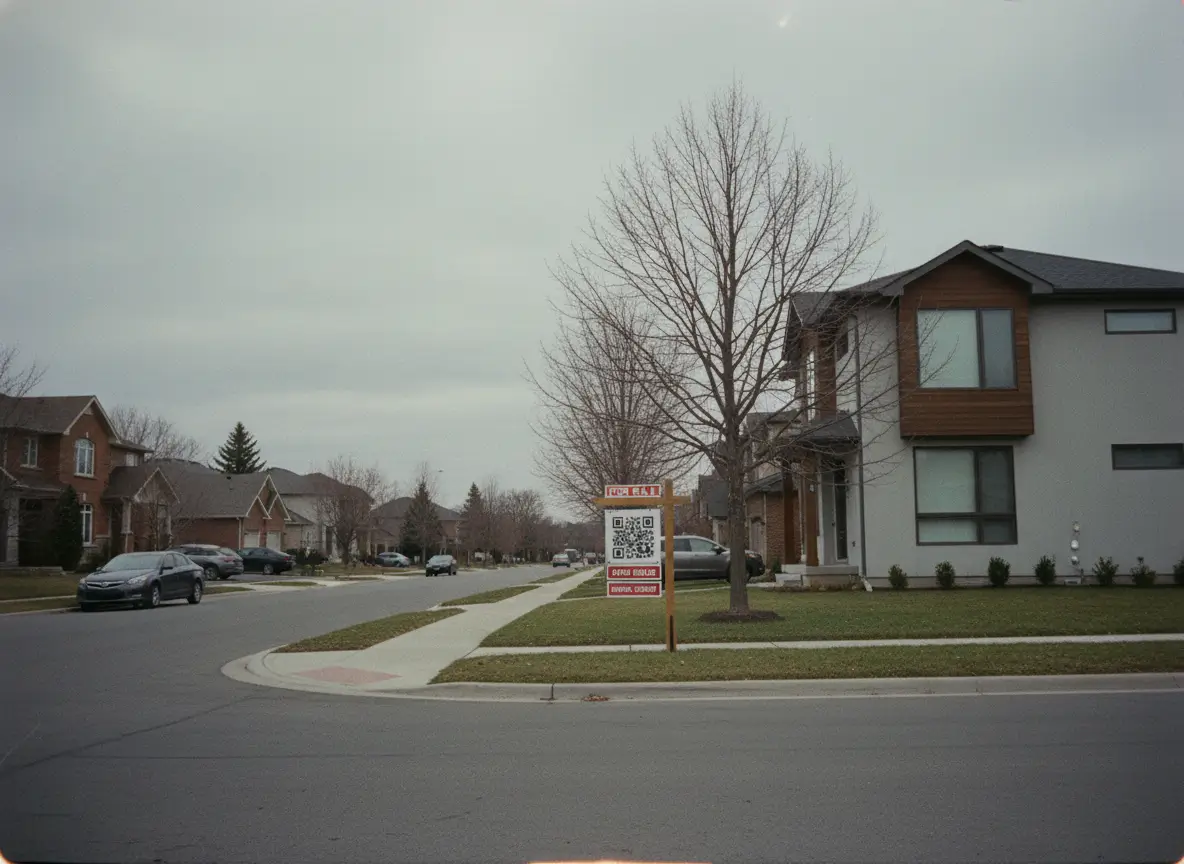
Real estate marketing hasn’t changed as much as people think.
The tools look different, but the way buyers behave is mostly the same. They notice homes in the real world first. A sign on a corner. A flyer in a window. An open house they pass on a Sunday walk. The decision to look closer almost always starts offline.
What has changed is patience.
People expect information instantly. If it takes effort to find a listing, most won’t try. Not because they aren’t interested, but because attention disappears fast. By the time they get home, the moment is gone.
That gap between curiosity and information is where QR codes quietly do their best work.
A QR code turns a physical moment into a direct path. Scan. See the property. No typing, no searching, no guessing which listing is the right one. It’s a small interaction, but in real estate, small frictions cost real interest.
This is why QR codes fit the industry so well. Real estate already lives on signs, flyers, windows, and open houses. QR codes don’t replace those materials. They extend them. They give physical marketing a second life on the phone in someone’s hand.
When used properly, QR codes don’t feel like a tech feature. They feel practical. Almost invisible. Buyers don’t think about the tool. They just get what they came for: clear information at the right moment.
For agents, the value is just as simple. You stop relying on people to remember details. You stop hoping they’ll search later. You give them a clean way to act while interest is still fresh.
Most QR codes fail for one reason. They’re treated like decoration. Printed everywhere, pointed nowhere useful, and forgotten. That’s not a problem with the code. It’s a problem with what happens after the scan.
This guide isn’t about adding more technology to your process. It’s about using one small, familiar tool correctly. Where to place QR codes. What they should link to. How to use them across signs, open houses, and flyers without creating extra work.
Done right, QR codes don’t complicate real estate marketing. They simplify it. They shorten the path from “that looks interesting” to “tell me more.”
And in a market where attention is limited, that short path matters more than ever.
Why Real Estate and QR Codes Fit So Well
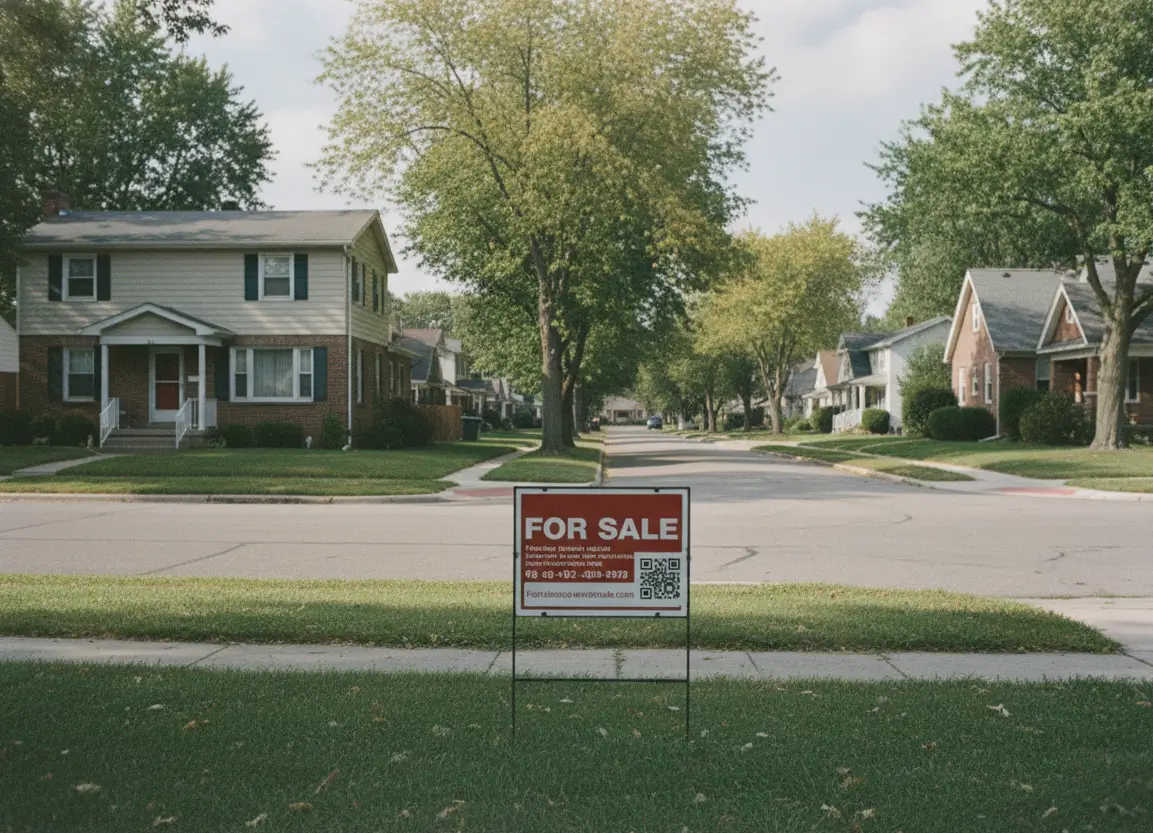
Real estate is still a very physical business.
People drive past houses. They stop at signs. They pick up flyers. They look through windows. Even today, most first contact with a property happens offline, not on a screen.
That’s where QR codes fit in naturally.
A QR code turns a static moment into a live one. Someone sees a house they like, scans the code, and suddenly they’re inside the listing. Photos, price, floor plan, video, location. No typing. No searching. No friction.
This matters because attention in real estate is fragile. People are curious for short bursts. If you make them wait or work, you lose them. A QR code removes that gap between interest and information.
It also matches how people behave now. Phones are always in hand. Scanning a code feels normal. It’s faster than Googling an address and more direct than hoping they remember the listing later.
For agents, the benefit is simple. You don’t have to guess where interest starts. The sign becomes a doorway. The flyer becomes a shortcut. The window becomes an invitation.
Most agents already use QR codes. The difference is how they use them. When done properly, they don’t feel like a tech trick. They feel like the obvious next step.
Real estate is about timing. QR codes help you show up at the exact moment someone is paying attention. That’s why this combination works so well, and why it often performs better than people expect.
What Happens After the Scan Matters More Than the Code
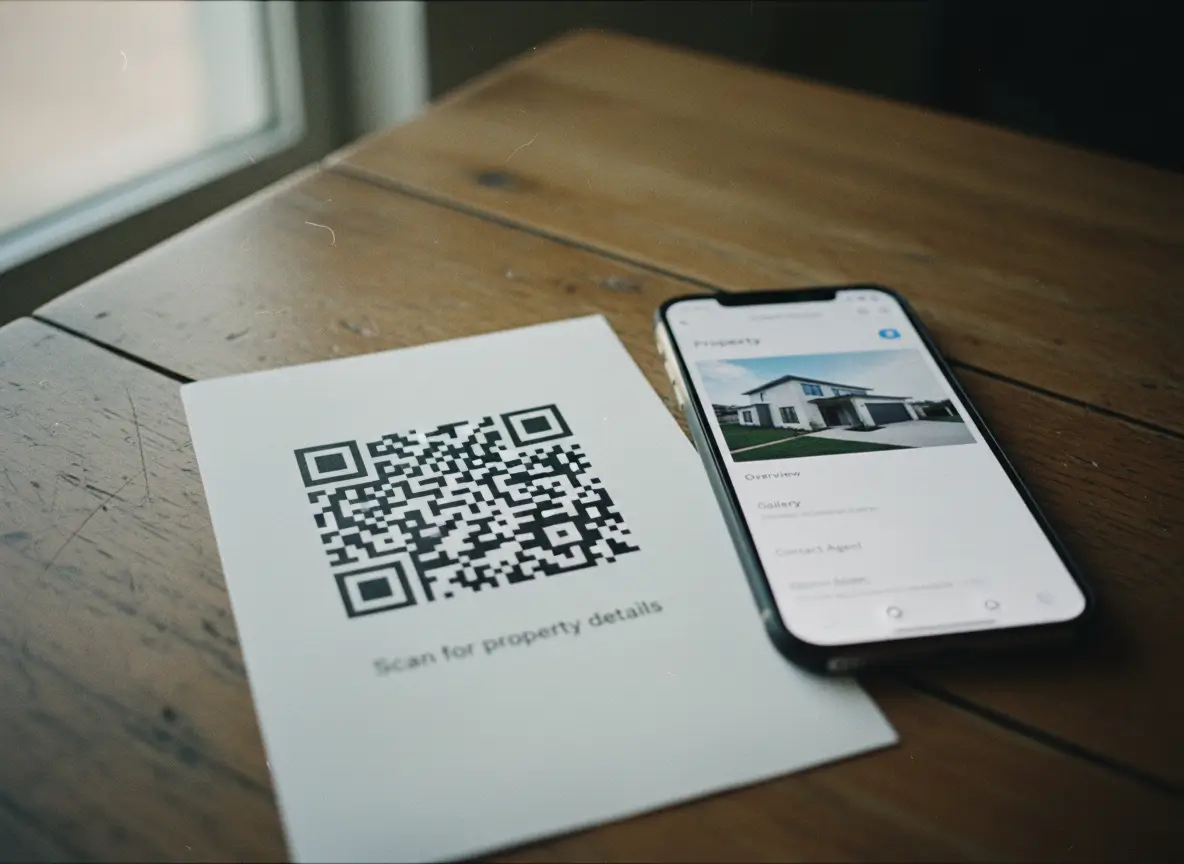
Scanning a QR code is not the goal. It’s the handoff.
The moment someone scans, you either reward their curiosity or waste it. There’s no middle ground. If they land on a slow page, a generic homepage, or a dead end, the QR code might as well not exist.
What people expect after a scan is clarity. They want to understand the property fast. Photos first. Price and location right away. Then details like floor plans, room sizes, and context. If there’s a video walkthrough, even better. It helps them decide if the place is worth their time before booking a visit.
This is where many QR codes fail. They point to something built for desktop browsing, not for someone standing on a sidewalk with a phone in their hand. Long menus, tiny text, or multiple clicks kill momentum.
A good post-scan experience feels intentional. One property. One page. No distractions. Everything someone needs to decide their next step, without thinking about where to tap next.
The QR code itself is just a trigger. The real work happens after. That’s where interest turns into action. A viewing request. A saved listing. A follow-up call.
If the experience after the scan is clear and useful, the QR code does its job quietly. If it isn’t, the code becomes a black hole. Clean on the outside, empty on the inside.
One QR Code, Many Use Cases (Without Overcomplicating It)
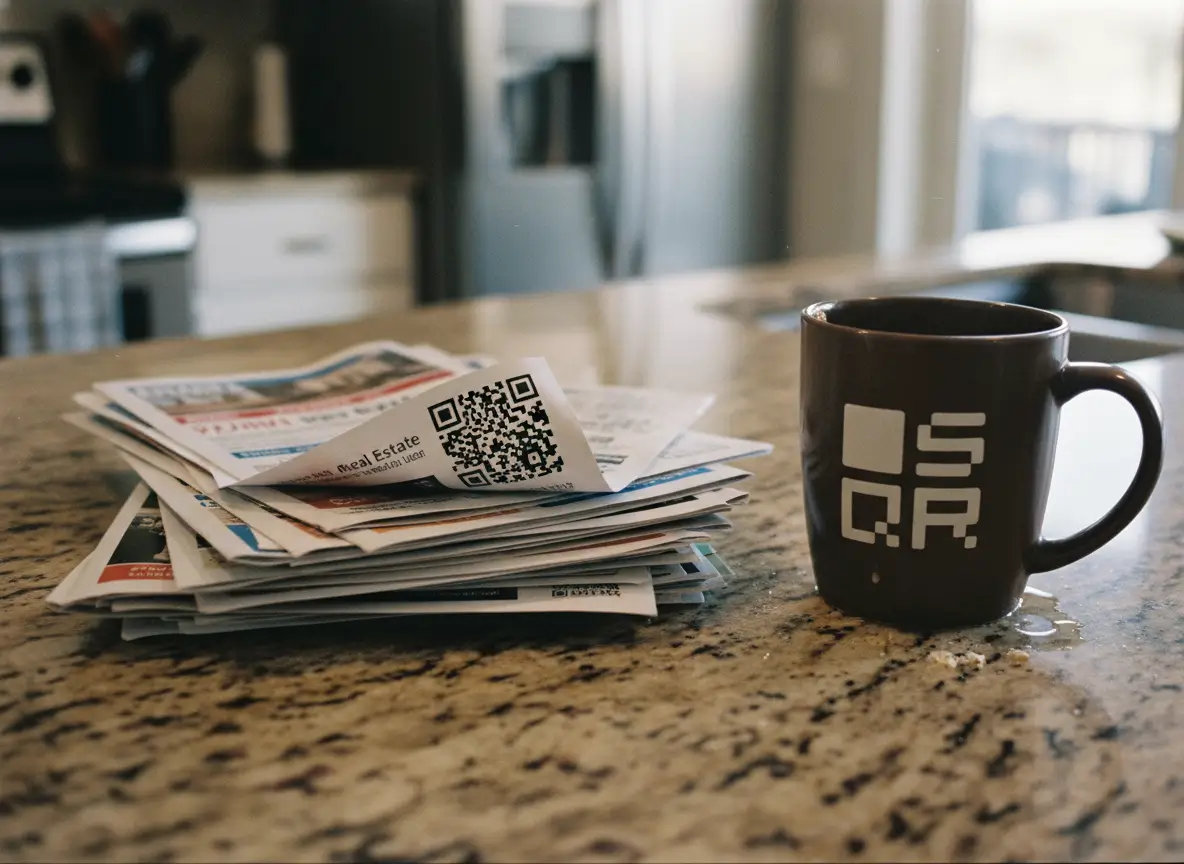
A property gets seen in more than one way.
Someone walks past the window at night. Another person stops during an open house. Someone else takes a flyer home and looks at it days later. Different moments, same property, same question: “Is this worth a closer look?”
This is where a single QR code earns its keep.
When the setup is right, one code can handle all of those situations without changing the print. The code stays the same. What it leads to can evolve. Today it shows the listing. Tomorrow it highlights a price update. Later it can point to a video tour or an open house recap.
That flexibility matters because real estate moves. Prices change. Status changes. Details get added. Reprinting signs and flyers every time something shifts is slow and expensive.
With one well-placed QR code, the physical material stays put. The digital side does the adapting.
It also keeps things simple for buyers. They don’t have to wonder which code to scan or which flyer is “the latest one.” There’s just one clear entry point, wherever they encounter the property.
The mistake is trying to do too much at once. One code doesn’t need ten destinations. It needs one good one that can change when the property does.
Used this way, QR codes stop being a gimmick and start acting like what they should have been all along: a quiet bridge between the real world and the listing behind it.
Open Houses, Signs, and Flyers That Actually Convert
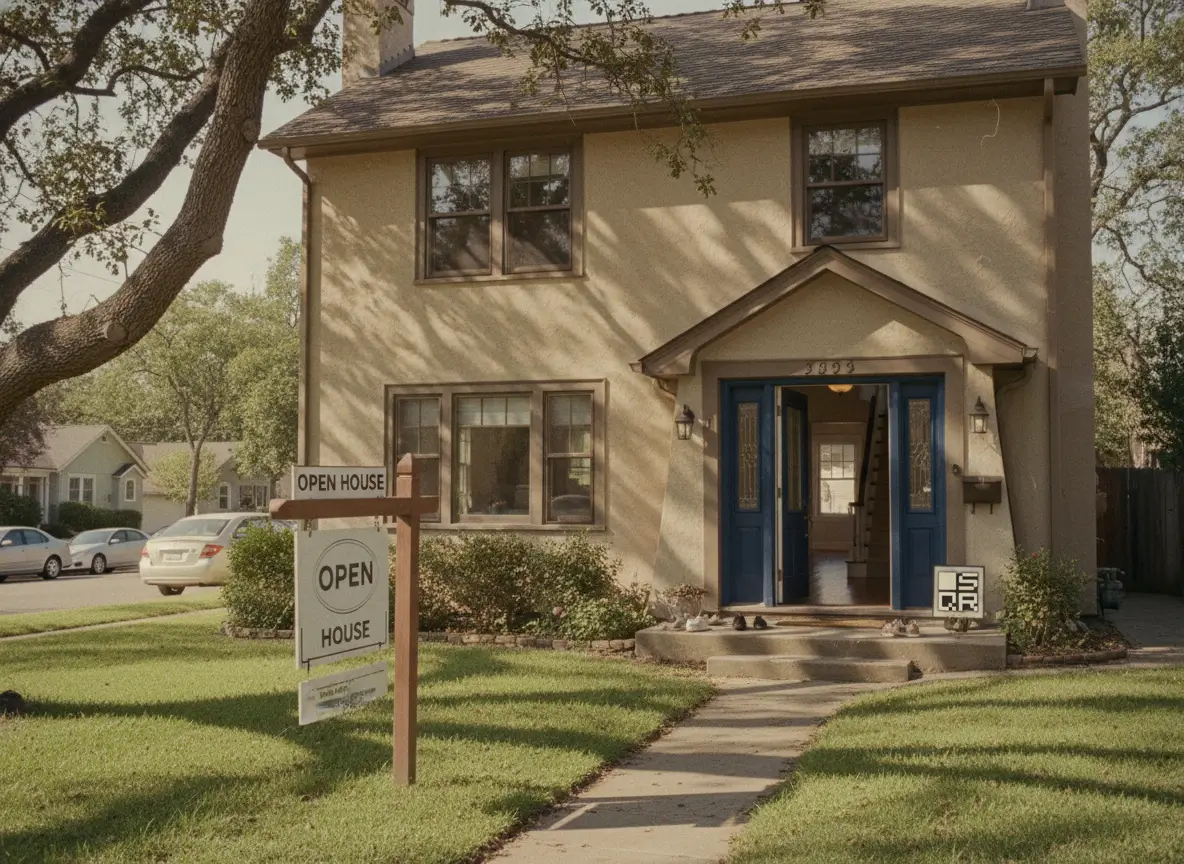
QR codes work best when they show up exactly where curiosity peaks.
Open houses are the obvious one. People walk through rooms, talk quietly, and don’t want to ask every question out loud. A small QR code near the entrance or on a handout lets them explore details on their own, without pressure. Floor plans, photos, or a video tour are all fair game here.
Signs do heavy lifting too. A sign is often seen when no one is around. Late evenings. Early mornings. A QR code gives people a way to act on that interest immediately instead of telling themselves they’ll look it up later and never doing it.
Flyers are hit or miss, but when they work, they work quietly. Someone takes one home. It sits on a counter. The QR code becomes a reminder a day or two later when they have time to look properly.
What doesn’t work is clutter. Multiple QR codes on the same page. Tiny codes tucked into corners. Codes that lead to generic homepages or agent profiles. If someone scans and has to hunt for the property again, you’ve lost them.
Placement matters more than design. One clear code. One clear purpose. One obvious reason to scan.
When QR codes convert in real estate, it’s not because they’re clever. It’s because they respect the moment the buyer is in and make the next step easy.
Tracking Interest Without Being Creepy

Tracking scans doesn’t mean tracking people.
That’s an important distinction, and it’s where a lot of agents get uncomfortable for no reason. You’re not watching individuals. You’re looking at patterns.
When someone scans a QR code, the useful information is simple. How many scans happened. When they happened. Which listing they came from. That’s it. No names. No faces. No personal data.
Those signals are enough to be useful.
You start to see which properties get attention from signs alone and which only get scanned during open houses. You notice listings that look great online but barely get scanned in the street. You spot flyers that actually come back to life days later.
This helps you make better decisions without guessing. If a listing gets plenty of scans but no follow-up, the issue is probably the page. If scans spike after a price change, the message is clear. If nothing moves at all, the problem isn’t the QR code. It’s the offer.
Good scan data doesn’t tell you who someone is. It tells you what’s working.
Used properly, it keeps you honest. It shows you where interest starts and where it drops off. That’s not creepy. That’s just paying attention.
Simple Setup for Agents Who Don’t Want Another Tool
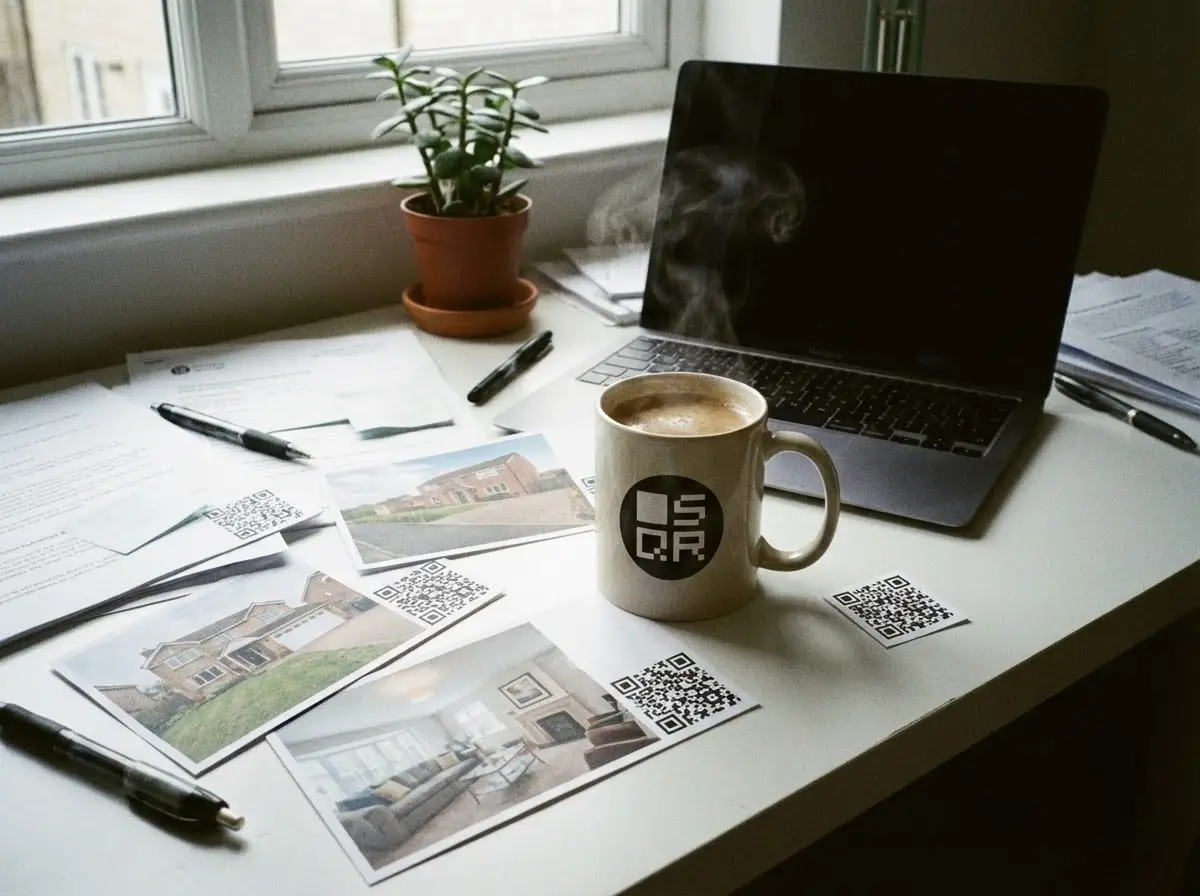
Most agents don’t want another system to manage. They want something that quietly does its job.
That’s how QR codes work best in real life. You set them up once, attach them to the places that matter, and then mostly forget about them. No daily maintenance. No constant tweaking.
In practice, it’s simple. One QR code per property. Link it to a clean mobile page. Print it on signs, flyers, and open house materials. When something changes, you update the destination, not the print.
 Frank Barker
That’s the part agents appreciate most. No reprints. No awkward stickers over old information. Just a small update behind the scenes.
Tools like SQR exist for this exact reason. Not to add complexity, but to remove it. One place to manage links. One place to see basic scan activity. One less thing to think about.
When QR codes are set up this way, they fade into the background. They don’t demand attention. They just sit there, ready for the moment someone decides to scan.
That’s usually the sign you’ve done it right.
Common Questions Agents Have About QR Codes in Real Estate
Do QR codes work for high-end properties?
Yes. High-end buyers value convenience and clarity. A QR code that leads to a clean, well-designed property page feels professional, not cheap. The key is what happens after the scan.
Should each property have its own QR code?
Yes. One property, one code. It keeps things clear and avoids confusion. You can reuse the same code across signs, flyers, and open houses for that listing.
What should a real estate QR code link to?
A mobile-friendly property page. Photos first, then price, location, floor plans, and a clear next step like booking a viewing. Not a homepage.
Can I change the link after printing signs?
Yes, if you use a dynamic QR code. You update the destination without reprinting anything, which is one of the biggest practical advantages.
Are QR codes hard for older buyers to use?
No. Most smartphones scan QR codes automatically through the camera. If the code is clear and well placed, age rarely becomes an issue.
Where should I place QR codes for best scans?
On signs, at open houses, and on flyers that people can take home. Place them where someone naturally pauses and looks closer.
Do QR codes replace listing platforms?
No. They complement them. QR codes act as the bridge that brings people from the real world into the listing, faster and with less friction.